

 See My Latest Article on HelloNation
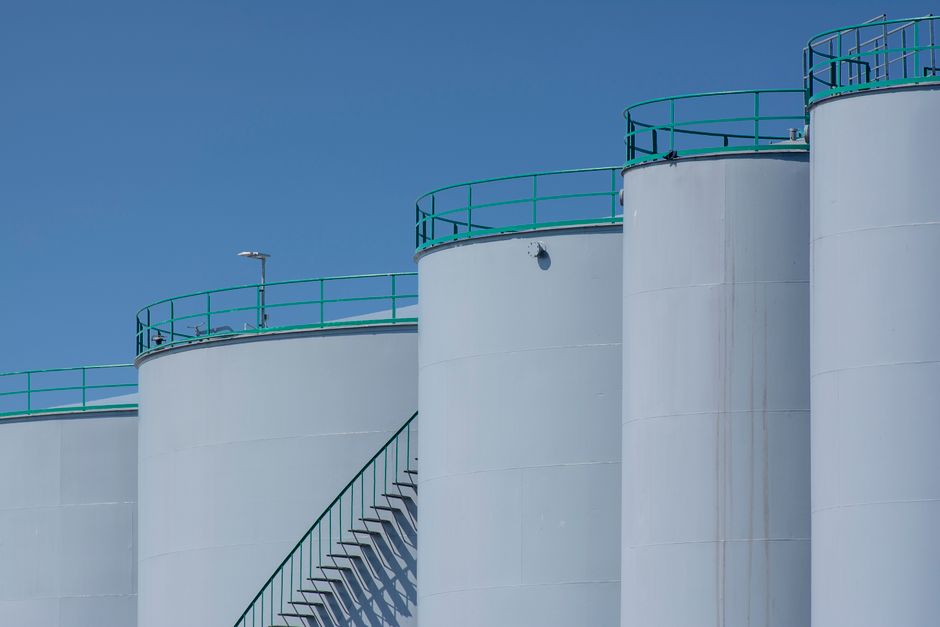
Chemical storage tanks are cleaned through a controlled process that removes leftover product, sludge, scale, vapors, and contaminated rinse water. The exact method depends on the chemical stored, tank material, tank size, residue type, and whether anyone must enter the tank.
For residents, farm operators, facility managers, and property owners in Loretto, understanding the process helps explain why tank cleaning cannot be treated like ordinary pressure washing or household cleaning.
Why do chemical storage tanks need to be cleaned?
Tank cleaning removes material that can contaminate a new product, damage the tank, create strong vapors, or interfere with inspections and repairs. Residue may collect on the bottom, cling to walls, settle around outlets, or build up inside piping and valves.
Common causes for cleaning include:
- Changing from one chemical product to another
- Removing sludge or settled solids
- Preparing a tank for inspection or repair
- Correcting contamination or off-specification material
- Decommissioning or replacing a tank
- Addressing leaks, corrosion, or damaged linings
A tank can look empty and still contain hazardous residue. Vapors trapped in the headspace or absorbed into sludge may remain dangerous even after the visible liquid has been removed.
What happens before cleaning begins?
The first step is identifying exactly what the tank has contained. Workers review product labels, safety data sheets, delivery records, previous cleaning records, and any information about spills or mixtures.
The tank is then taken out of service and isolated from connected equipment. This may include closing and locking valves, disconnecting transfer lines, shutting down pumps, and preventing accidental refilling. Stored pressure, electrical energy, compressed air, and other energy sources must also be controlled.
Before work begins, a written plan normally addresses:
- The chemical hazards and possible reactions
- The tank’s construction and internal condition
- The cleaning method and equipment
- Ventilation requirements
- Personal protective equipment
- Waste collection and disposal
- Emergency response and rescue procedures
Mixing cleaning chemicals with tank residue can create heat, toxic gases, pressure, or a violent reaction. For that reason, a cleaner should never be selected simply because it worked on another tank.
How is the remaining product removed?
Most cleaning begins without entering the tank. Usable liquid is pumped or drained through approved connections into a compatible container or another properly designated tank. Remaining liquid, sludge, and solids may be removed with vacuum equipment, suction hoses, pumps, or tools operated from outside an access opening.
This stage is often called product recovery or decommissioning. Removing as much original material as possible before washing reduces exposure risks and limits the amount of contaminated wastewater produced.
The residue must be kept compatible with the receiving container. For example, acids, oxidizers, solvents, fuels, and alkaline materials may require different containers and handling methods. Containers also need clear identification so that recovered material is not accidentally mixed with an incompatible substance.
What cleaning methods are used?
The cleaning method is selected according to the residue and the tank design. Common approaches include:
- Low-pressure or high-pressure water washing
- Warm-water cleaning
- Detergent or alkaline washing
- Solvent cleaning for compatible residues
- Steam cleaning in carefully controlled situations
- Mechanical scraping or brushing
- Rotary spray heads or other remote cleaning equipment
- Vacuum removal of sludge and solids
Water is not automatically the safest choice. Some chemicals react with water, dissolve into it, or become more difficult to manage after washing. In other cases, water can spread contamination into seams, insulation, surrounding soil, or drainage systems.
Remote cleaning equipment is preferred whenever it can remove residue without placing a person inside the tank. Manual scraping or wiping may be needed for hardened deposits, but entry creates a much higher level of risk and requires a separate confined-space procedure.
Why is tank entry especially dangerous?
Many storage tanks qualify as permit-required confined spaces because they have limited openings, are not designed for continuous occupancy, and may contain serious atmospheric or physical hazards.
A tank may contain too little oxygen, too much oxygen, flammable vapor, toxic vapor, or a dangerous combination of conditions. Cleaning can make the atmosphere worse by disturbing sludge or releasing chemicals trapped in residue.
If entry is unavoidable, the process generally requires atmospheric testing before and during the work, mechanical ventilation when appropriate, an attendant outside the space, communication, fall protection, isolation of connected lines, and a written entry permit. Rescue equipment and a realistic rescue plan must be in place before entry begins.
A person should never enter a tank to “take a quick look,” retrieve a tool, or remove a small amount of residue. A tank that tested safely earlier can become hazardous after cleaning starts or after ventilation stops.
How are vapors controlled?
Ventilation removes or dilutes vapors, but simply opening a hatch may not be enough. The air movement must be suitable for the chemical and tank configuration, and the exhaust must not expose nearby people or draw vapors toward buildings, ignition sources, or air intakes.
Atmospheric monitoring may measure oxygen, flammable conditions, and specific toxic gases or vapors. Testing locations matter because some vapors settle near the bottom while others rise. The atmosphere should be retested after breaks, changes in work conditions, equipment shutdowns, or any unexpected odor or reaction.
Warm weather can increase evaporation from residues and cleaning liquids. In Loretto, seasonal heat and humidity may affect vapor generation, drying time, and the condition of outdoor tanks, making ventilation and monitoring particularly important during summer work.
What happens to the rinse water and sludge?
Rinse water, sludge, filters, absorbent materials, and disposable protective equipment may all be regulated waste. They should be captured rather than released onto the ground, into a storm drain, into a septic system, or into an ordinary wastewater line without confirmation that discharge is allowed.
The waste may need testing to determine whether it is hazardous, corrosive, flammable, toxic, reactive, or otherwise restricted. Disposal requirements can depend on the chemical, concentration, quantity, and destination. A tank owner remains responsible for knowing where the waste goes and whether the receiving facility is authorized to accept it.
For household or small-property situations, leftover pesticides, solvents, pool chemicals, and similar materials should not be poured into a tank, ditch, drain, or septic system. They should be kept in their original compatible containers when possible and handled through an appropriate hazardous-waste option.
How is the tank checked after cleaning?
After residue and wash water are removed, the tank is allowed to drain and dry as appropriate for the material. Workers may inspect the interior remotely or through an authorized entry procedure. The inspection looks for corrosion, pitting, cracks, damaged coatings, blocked outlets, weakened fittings, and signs that cleaning has affected the tank lining.
Some tanks also require leak testing, thickness measurements, coating checks, or verification that no cleaning material remains. Before the tank returns to service, valves and piping are reconnected, isolation devices are removed in a controlled order, and the tank is checked for proper operation.
A clean tank is not necessarily a safe tank. Structural damage, weakened seams, and incompatible residues still need to be addressed before storage resumes.
When should residents avoid cleaning a tank themselves?
Do-it-yourself cleaning is generally unsuitable when a tank has held industrial chemicals, fuels, pesticides, strong acids, caustics, oxidizers, solvents, or unknown substances. The risk is higher if the tank is enclosed, underground, pressurized, connected to process piping, or large enough for a person to enter.
The safest approach is to keep people away from the tank, avoid mixing chemicals, prevent ignition sources, and preserve the product information until the hazards are evaluated. Odors, bulging containers, visible corrosion, leaks, heat, hissing sounds, or unexplained pressure are warning signs that the situation may require emergency guidance rather than routine cleaning.