

 See My Latest Article on HelloNation
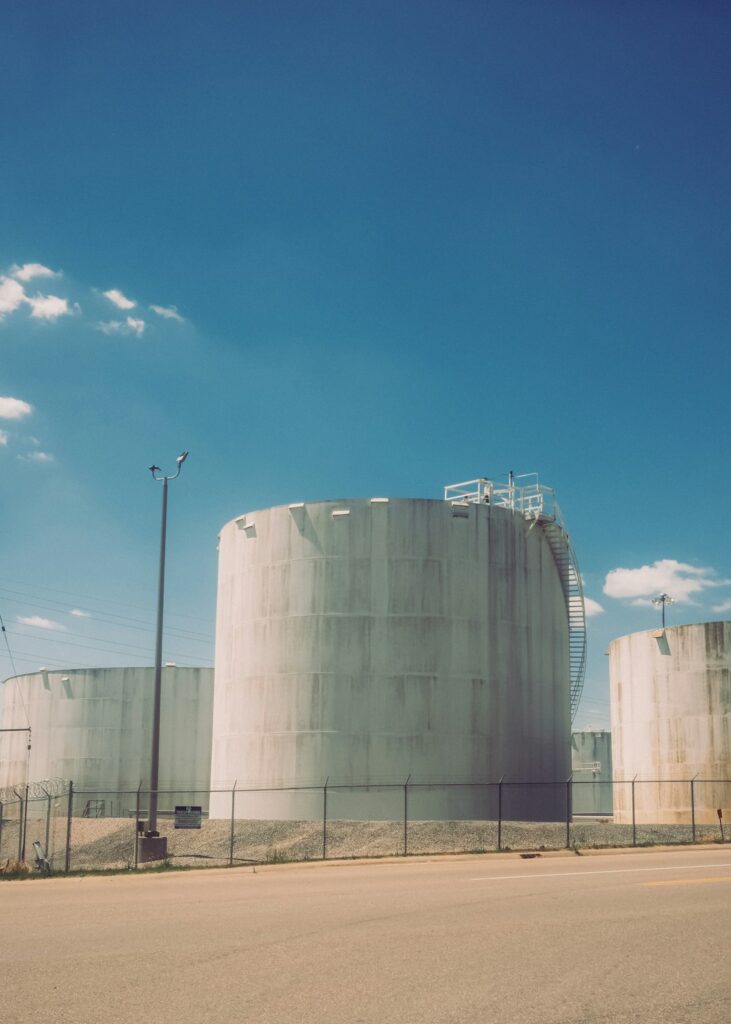
Why Is Leak Detection in Chemical Storage Tanks Important?
Detecting leaks early prevents chemical exposure, environmental harm, and costly property damage. Many homes, farms, and small businesses in Loretto, TN rely on storage tanks for various chemicals—from water treatment to agricultural applications. Because tanks often sit outside, leaks can go unnoticed unless residents actively check them. Seasonal temperature shifts and heavy rains can also influence conditions around tanks, sometimes making leaks harder to spot.
Common Questions: What Signs Suggest a Chemical Storage Tank Might Be Leaking?
The first sign of trouble isn’t always a visible puddle. Residents may notice:
- Unexplained wet spots or erosion near the tank pad, especially after dry weather
- Persistent chemical odors near the tank, even with the lid secure
- Low tank levels despite normal use patterns
- Higher-than-expected chemical consumption during regular operations
- Unusual vegetation death or discoloration close to where the tank drains or connects with piping
These signs warrant a closer inspection. Accurately determining the chemical in use can guide safety precautions, as some substances require extra care.
How Should Residents Prepare for a Tank Inspection?
Start by reviewing any documentation or labeling to identify the tank’s contents. Wear chemical-resistant gloves and eye protection if the chemical is hazardous or unknown. For tanks holding water treatment supplies or agricultural chemicals, avoid direct contact and prevent runoff from reaching storm drains or ditches common along rural Loretto roads.
Have a flashlight, a sturdy step stool (if the tank is raised), and a clean rag on hand. Whenever possible, check tanks during daylight in dry weather—rain and mud can obscure subtle signs of leakage.
What’s the Best Way to Check the Tank’s Exterior for Leaks?
Walk entirely around the tank, checking for:
- Moisture streaks, stains, or salt-like deposits along the tank shell or legs
- Cracks, blisters, or areas with faded or chipped paint
- Rust, especially at seams and around attachment hardware
- Dampness or chemical residue where the tank meets the ground or slab
Because Loretto often experiences mild winters and humid summers, tanks can expand and contract, which sometimes opens up hairline cracks overlooked with a quick glance. A careful, hands-on check lets you feel damp spots a visual check might miss.
Are Tank Fittings, Valves, and Hoses Prone to Leaks?
Fittings and connections are often the first place leaks appear. Inspect:
- Any hoses or pipes attached to the tank—look for drips or seepage at joints
- Gaskets and sealed points along the lid or manway
- Any welded seams or flanges
Wipe each area with a dry rag and see if it comes back wet or stained. Pay attention to faint hissing sounds, which could signal a pressure leak with gases or vapors.
Can Residents Use Simple Tools to Test for Small Leaks?
Multiple low-tech techniques help catch slow leaks:
- Spread a clean, dry towel or cardboard under suspected areas and check after a few hours
- Gently tap along the tank wall with a rubber mallet to listen for hollow or “soft” spots that may indicate thinned sections or internal corrosion
- Apply a small amount of soapy water to joints and watch for bubbles (only if the tank holds non-reactive chemicals—never use water if contact might cause a reaction)

Even small leaks can worsen quickly in the humidity and sometimes heavy rainfall that hits the city throughout the year, so checking after big storms or a long dry spell is particularly worthwhile.
What Common Mistakes Should Be Avoided During Inspection?
Some residents overlook these pitfalls:
- Assuming “out of sight, out of mind”—buried tank sections or tank bottoms are often missed but are the most vulnerable points
- Ignoring faint chemical odors, thinking they are normal
- Checking only in perfect weather—the freeze/thaw cycles in Loretto may temporarily close and then reopen tiny cracks
- Failing to relabel tanks after a recent refill or chemical swap, which can lead to improper safety steps
Using incorrect cleaning products or aggressive tools can degrade tank materials and worsen leaks.
What Should Be Done If a Leak Is Found?
Minor leaks from hoses or fittings can often be addressed by tightening or replacing the offending part—just ensure the area is dry and safe before working. For cracks or structural issues with the tank body, local households should limit the spread of leaked chemicals and prevent runoff, especially if the chemical is hazardous or used in agriculture. Absorbent materials like sand or kitty litter can be used on small spills.
Depending on the substance and volume, contacting a local hazardous materials agency or following proper disposal procedures may be necessary. Avoid flushing chemicals into municipal drains or ditches, especially during rainy spells common in the area.
Are There Special Considerations for Loretto Residents?
Given the city’s mix of rural properties, outbuildings, and variable weather—hot summers, occasional freezes, and spring heavy rains—residents should:
- Store tanks on slightly elevated, solid ground to avoid water pooling that might hide leaks or cause corrosion
- Inspect tanks seasonally, particularly after freezing nights or severe winds
- Consider shade placement for tanks containing volatile chemicals, as direct sun can raise internal pressures and stress seams
Finally, review manufacturer recommendations for your specific tank material and consult city or county guidelines if storing regulated chemicals, to ensure both safety and compliance for your household and neighbors.