

 See My Latest Article on HelloNation
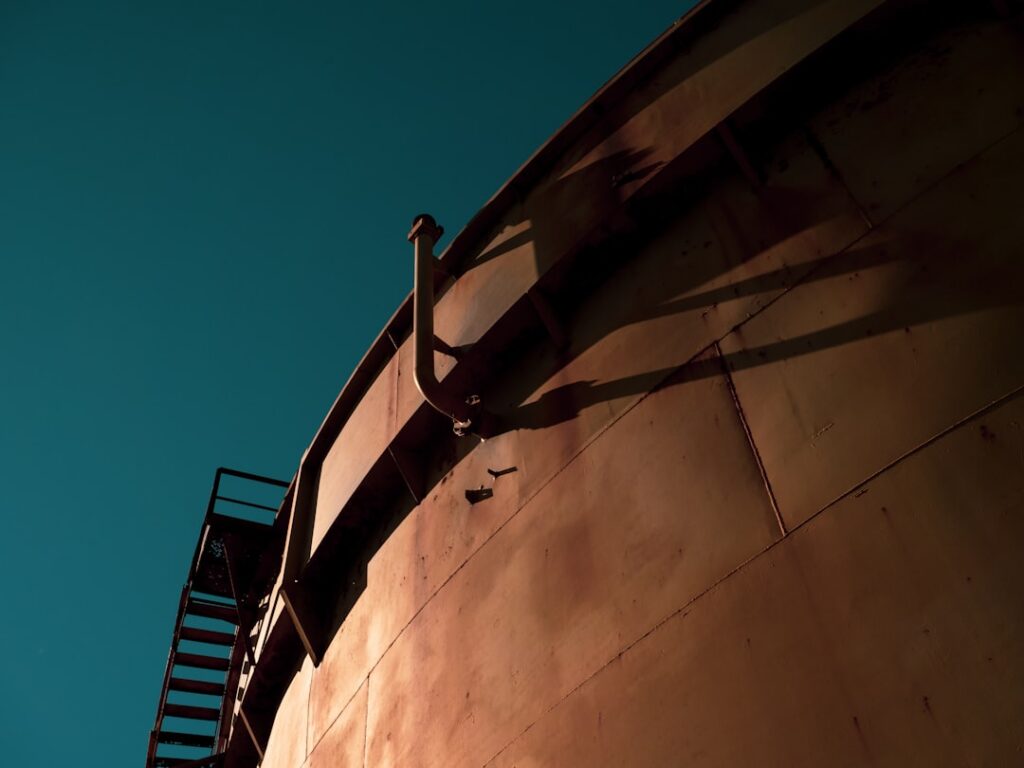
What Should Residents in Loretto, TN Know About Chemical Storage Tank Upkeep?
Routine maintenance is crucial for anyone in Loretto, TN who stores chemicals in tanks, whether at home, on a farm, or in a community setting. Well-maintained tanks reduce the risk of leaks, contamination, and environmental hazards, especially in an area with variable seasonal temperatures and rainfall.
Proper upkeep starts with understanding the essentials—not just for tank longevity, but for community health and regulatory compliance.
Why Do Chemical Storage Tanks Need Routine Inspections?
Inspections catch early issues before they become major hazards. Residents are sometimes surprised by how quickly small cracks or gasket failures can lead to bigger problems, especially during humid summers or rapid freeze-thaw cycles common in the region.
Key aspects to check:
- Evidence of leaks, staining, or unusual odors around the tank
- Corrosion or rust on metal components
- Deformation of the tank body, which can signal internal pressure issues or material fatigue
- Condition of valves, seals, and access locks
How Often Should Tanks Be Examined?
A simple visual check should occur monthly, with a more detailed assessment at least twice a year. After severe weather events—such as heavy storms or freezes—it’s wise to check all connections and tank surfaces for new damage. Many residents find that combining this task with other seasonal yard or property upkeep ensures it isn't overlooked.
What Common Problems Arise From Overlooking Maintenance?
Neglected tanks can cause environmental spills, groundwater contamination, and health hazards from chemical fumes. In Loretto, seasonal heavy rains can increase the spread of hazardous chemicals if a tank begins leaking unnoticed.
Typical issues include:
- Small cracks expanding into structural failure
- Accumulated debris blocking vents or overflow pipes
- Internal buildup of residues or sediment, affecting chemical quality over time
- Unnoticed animal nests or insect infestations damaging components or creating blockages
What Steps Should Be on Every Chemical Tank Maintenance Checklist?
Begin each inspection with safety: wear gloves, goggles, and any other personal protective gear recommended for the chemicals stored.
A practical checklist includes:
- Exterior Check: Scan the whole surface for cracks, blisters, discoloration, or bulging. Pay close attention to seams and points where pipes connect.
- Fittings & Valves: Wiggle and inspect every fitting for tightness and wear. Look for rust, corrosion, or leaking at joins.
- Ventilation: Ensure all vents are clear of blockages (such as leaves, nests, spiderwebs), especially in outdoor tanks.
- Supports & Foundation: Check the base or legs for cracking, settling, or shifting soil, which is common after wet winters or heavy rains in the area.
- Overflow & Drainage: Verify that overflow pipes direct liquid away from structures or wells, and that drainage areas remain clear.
- Labeling: Confirm all hazard labels remain readable and affixed; local weathering can fade or peel standard stickers, especially after long summers.
- Contents: If possible, sample the contents for clarity and residues—not just for scheduled replacements but to spot possible contamination early.
How Should Tanks Be Cleaned and Maintained Internally?
Not every tank can or should be emptied regularly, but periodic internal cleaning is invaluable, especially for long-term storage. Residents often ask whether they can do this themselves; it depends on the chemical involved.
General guidelines:
- Only enter or clean a tank following chemical manufacturer recommendations.
- Use tools and cleaning agents compatible with the tank material and stored chemical.
- Avoid power-washing unless the tank design allows—force can damage certain tanks or spread contamination.
- Rinse and dry thoroughly, ensuring no cleaning solution remains.

If there's any risk of contact with highly hazardous chemicals, or if fumes could pose a risk to others nearby, stop and consult local safety guidelines to decide on next steps.
Are There Local Environmental or Safety Regulations for Tank Maintenance?
In Loretto, residents storing chemicals above a certain quantity, or types classified as hazardous, may face specific state and federal regulations. Even absent legal requirements, good maintenance is vital due to the city's mix of rural and residential properties and the proximity of wells or surface water sources.
Before major cleanouts or disposal of tank contents, check with local environmental authorities or review posted guidelines to avoid accidental violations.
What Are Some Easily Overlooked Maintenance Points?
Community experience shows some areas often go unchecked:
- Secondary containment basins or dikes (if present) may collect rainwater or debris and overflow without notice
- Overflow alarms and sensors require regular testing, especially with fluctuating temperatures affecting batteries and electrical contacts
- Access keys or locks sometimes become rusty or stick, hampering emergency access
- Records of inspections and maintenance should be kept—in the event of a spill or issue, this documentation becomes very important
How Can Weather in the Loretto Area Affect Chemical Storage Tanks?
Local weather impacts storage tanks more than many expect. Prolonged heat can accelerate gasket degradation, while winter freezes expand small cracks in plastics or cause condensation inside vessels. Heavy rainstorms can lead to shifting foundations or water intrusion in areas with clay soil, which is typical for the region.
Residents should add brief checks after:
- Windstorms (for tree or branch damage)
- Freezing nights (for new cracks or brittle seals)
- Heat waves (for bulging or sweating tanks)
Adjusting maintenance frequency by season often prevents problems.
What Myths or Misconceptions Do Residents Sometimes Have?
Believing that tanks made of "chemical-resistant" material are maintenance-free is a common misconception. Even durable plastics or lined metals degrade under regional sunlight, temperature shifts, and exposure to specific chemicals.
Other misconceptions:
- Rainwater alone will not reliably wash away spilled chemicals or residues from a tank’s exterior
- Small evaporative leaks don't smell, but they can still cause harm through slow release over time
- Tanks stored under awnings or in sheds require just as much regular checking as those left in the open
KNOWLEDGE:
Staying consistent with simple, seasonal checks and quick response to minor issues has proven the safest and most cost-effective practice for area residents. Reviewing manufacturer guides, following state or local regulations, and learning from community experience greatly reduce risks for everyone nearby.