

 See My Latest Article on HelloNation
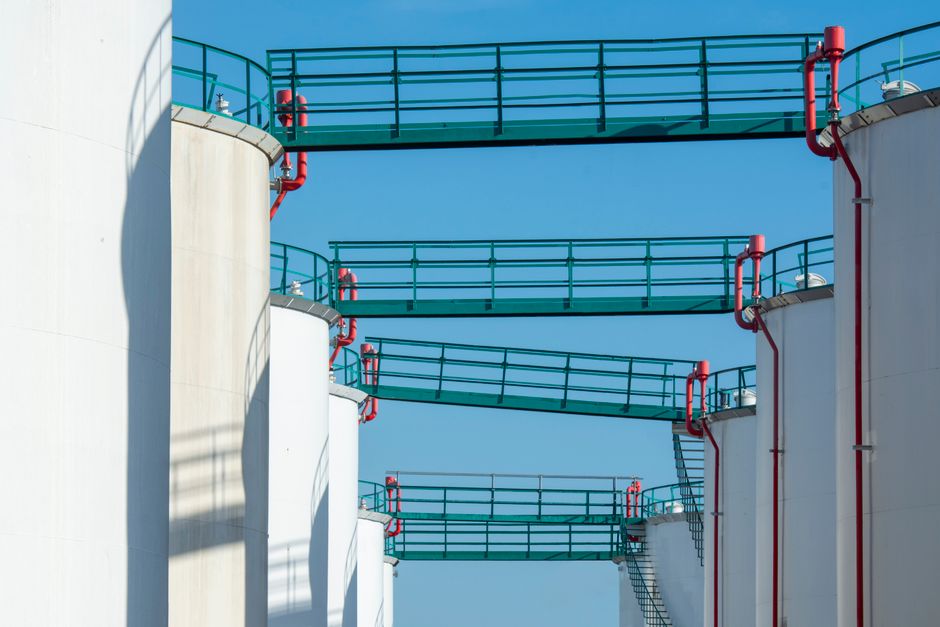
Chemical storage tanks are not interchangeable containers. The choice between a single-wall and double-wall design affects spill control, leak detection, installation space, inspection routines, cost, and environmental risk. For residents, farms, workshops, and small facilities in Loretto, TN, the right choice depends less on tank appearance and more on the chemical, location, quantity, and consequences of a release.
What is the difference between single-wall and double-wall tanks?
A single-wall tank has one primary shell between the stored chemical and the surrounding area. A double-wall tank has an inner tank surrounded by a second outer wall, creating an interstitial space between the two layers.
The inner wall stores the chemical. The outer wall provides secondary containment if the inner wall develops a leak. Some double-wall systems include sensors or monitoring ports that can detect liquid or vapor in the space between the walls.
A single-wall tank may still be used safely when it is installed inside a properly designed containment area, such as a concrete or chemically resistant berm. However, the containment system is separate from the tank itself and must be maintained as part of the overall installation.
How does a double-wall tank contain a leak?
If the inner tank fails, the chemical may collect in the space between the walls instead of immediately reaching soil, pavement, a floor drain, or nearby waterways. The outer wall is intended to hold the released material long enough for the leak to be detected and addressed.
The design does not make a tank leak-proof. A double-wall tank still requires inspections, compatible materials, functioning fittings, and proper maintenance. The outer wall can also be damaged, overfilled, penetrated, or weakened if the tank is installed incorrectly.
A monitoring system may use a sensor, gauge, inspection port, or visual check. The method depends on the tank design and the stored substance.
Why might a facility choose a single-wall tank?
Single-wall tanks can be suitable when the installation includes reliable secondary containment and the chemical presents a manageable risk in that setting. They are often simpler to inspect visually and may require less space than a double-wall tank surrounded by a large external containment structure.
A single-wall design may be considered when:
- The tank is located inside a properly sized containment area.
- The containment surface is compatible with the chemical.
- The area is protected from vehicle impact and other physical damage.
- Routine inspections are practical.
- The facility has procedures for responding to spills and removing accumulated rainwater or other liquid.
The main limitation is that a single-wall tank depends heavily on the surrounding containment system. Cracks, poor drainage, blocked outlets, deteriorated coatings, or undersized berms can reduce its protective value.
What advantages does a double-wall tank provide?
The primary advantage is integrated secondary containment. The tank does not rely entirely on a separate berm or room to catch a leak.
Double-wall tanks may also:
- Reduce the chance that a small leak reaches the ground.
- Provide an interstitial space for leak monitoring.
- Require less surrounding floor area than a tank plus a large containment basin.
- Offer added protection in locations where a spill would be difficult to clean.
- Reduce exposure to rainwater collection inside an outdoor containment area.
This can be especially useful where a chemical tank is near a building, drainage path, well, agricultural area, or frequently used work surface. The value of the second wall increases when cleanup would be difficult or the chemical could damage soil, vegetation, concrete, equipment, or groundwater.
Is a double-wall tank always the better choice?
No. A second wall improves spill protection, but it does not automatically make an installation compliant or appropriate.
A double-wall tank can create overlooked maintenance issues. The interstitial space must remain accessible for inspection or monitoring. Sensors need to be tested according to the manufacturer’s instructions. Water intrusion, condensation, blocked monitoring ports, or an unrecognized alarm can make leak detection less reliable.
The tank must also be compatible with the chemical. Compatibility involves more than the tank shell. Valves, gaskets, hoses, vents, pumps, fittings, coatings, and level indicators may all contact the stored material.
A single-wall tank with well-designed containment may be more practical than a poorly maintained double-wall tank. The better choice is the system that provides dependable containment, clear inspections, and a realistic response plan.
Which design is safer for outdoor storage in Loretto?
Outdoor storage requires attention to weather, drainage, sunlight, temperature changes, and physical exposure. In Loretto, seasonal rain and thunderstorms can place additional demands on outdoor containment areas. A berm or dike may collect rainwater, reducing its available capacity unless the liquid is managed safely and lawfully.
Double-wall tanks can reduce dependence on open outdoor containment, but they still need protection from:
- Flooding or standing water
- Wind-blown debris
- Direct sunlight and heat
- Freezing conditions
- Vehicle or equipment impact
- Corrosion at supports, legs, fittings, or bottom surfaces
Outdoor tanks should be placed on a stable foundation that prevents settling and keeps the tank from contacting soil. Grading should direct stormwater away from the tank without creating a pathway for spilled chemicals to leave the site.
Do chemical storage rules require a double-wall tank?
Not always. Requirements depend on the chemical, tank capacity, location, use, and whether the tank is above ground or underground. Federal, Tennessee, fire-safety, building, wastewater, and environmental rules may apply to different parts of the installation.
For some underground regulated substances, secondary containment and leak detection requirements can be specific and strict. Aboveground tanks may be governed by different rules, including requirements related to spill prevention, containment capacity, inspection, fire safety, and chemical handling.
A rule that applies to petroleum or oil may not apply in the same way to acids, bases, solvents, fertilizers, pesticides, or other hazardous substances. The label “chemical tank” is not specific enough to determine compliance.
The tank owner should identify the exact chemical, maximum storage volume, tank location, and intended use before selecting a design. Safety data sheets and applicable Tennessee requirements can help determine material compatibility and handling precautions.
What should be inspected on either type of tank?
Both designs require regular inspection. Look for:
- Cracks, bulges, dents, discoloration, or unusual swelling
- Rust, corrosion, chalking, or chemical damage
- Leaks around valves, seams, pumps, and pipe connections
- Damaged vents, caps, gauges, alarms, or sensors
- Unstable foundations or shifted supports
- Unreadable labels and missing hazard information
- Evidence of overfilling or liquid inside a containment area
- Vegetation, debris, or water hiding the tank base
A double-wall tank should also be checked for interstitial liquid, sensor alarms, and access-port condition. A single-wall tank should be evaluated together with its berm, dike, spill pallet, room, or other secondary containment.
Any unexplained odor, visible leak, damaged tank, alarm, or expanding stain should be treated as a hazardous condition. Keep people away, prevent ignition sources where relevant, and follow the chemical’s emergency instructions. A release that threatens drains, soil, surface water, or nearby property may require prompt reporting under applicable rules.
Which option is right for a home, farm, or small facility?
The answer depends on risk rather than tank style alone. Consider the chemical’s toxicity and corrosiveness, the amount stored, how often it is transferred, whether the tank is indoors or outdoors, the distance to drains and wells, and how quickly a leak could be discovered.
For a low-risk location with robust containment and frequent inspection, a single-wall tank may be adequate. For a sensitive location, difficult-to-contain chemical, limited inspection access, or high consequence of failure, a double-wall system may provide a stronger safeguard.
The most reliable installation is one that combines compatible materials, secure placement, overfill prevention, secondary containment, clear labeling, routine inspections, and a written spill-response procedure.