

 See My Latest Article on HelloNation
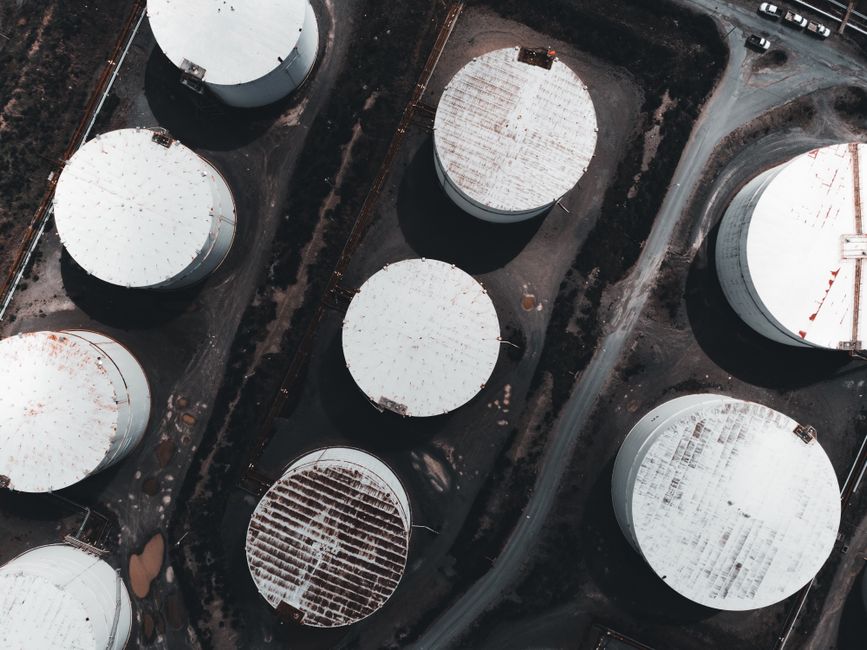
Chemical storage tanks are regulated according to what they contain, how much is stored, where the tank is located, and whether a release could affect people, soil, streams, or groundwater. For residents and facility operators in Loretto, the rules may involve federal spill-prevention requirements, hazardous-chemical reporting, underground-tank regulations, fire-safety standards, and Tennessee environmental requirements.
The most useful starting point is to identify the substance and the tank system before assuming a particular rule applies.
What determines which environmental rules apply?
The tank’s contents matter more than the word “chemical” by itself. A tank holding diesel, used oil, lubricants, agricultural products, solvents, corrosives, or other hazardous substances may be regulated under different programs.
Key questions include:
- Is the material oil or a non-oil hazardous chemical?
- Is the tank aboveground, underground, mobile, or permanently installed?
- What is the tank’s total capacity?
- Is the tank located near a drainage ditch, creek, pond, wetland, storm drain, or other pathway to water?
- Is the tank used at a residence, farm, business, institution, or industrial facility?
- Does the site maintain a Safety Data Sheet, commonly called an SDS, for the material?
A tank can be below one reporting threshold but still require safe design, inspection, emergency procedures, or compliance with another rule. Regulatory thresholds are not the same as permission to store a substance carelessly.
Does the federal SPCC rule apply to chemical storage tanks?
The Spill Prevention, Control, and Countermeasure rule, or SPCC, generally applies to non-transportation-related facilities that store oil and could reasonably discharge oil into navigable waters or adjoining shorelines. A facility may be covered when its aggregate capacity exceeds 1,320 gallons aboveground or 42,000 gallons in completely buried storage, subject to specific exclusions and conditions. ([epa.gov](https://www.epa.gov/oil-spills-prevention-and-preparedness-regulations/does-spill-prevention-control-and-countermeasure?utm_source=openai))
For this purpose, “oil” is broader than gasoline. It can include petroleum products, diesel, lubricating oils, hydraulic oils, certain animal fats, and vegetable oils. The rule is based on storage capacity, not simply the amount currently inside the tank. EPA guidance explains that the container’s maximum shell capacity is generally used when determining whether the threshold is exceeded. ([epa.gov](https://www.epa.gov/oil-spills-prevention-and-preparedness-regulations/frequent-spill-prevention-control-and?utm_source=openai))
A covered facility normally needs a written SPCC Plan describing how spills will be prevented, contained, discovered, reported, and cleaned up. The plan may address:
- Tank and piping inspections
- Secondary containment or another form of engineered spill control
- Transfer procedures
- Drainage controls
- Emergency contacts
- Spill response equipment
- Employee training
- Inspection and maintenance records
A common misconception is that SPCC applies to every chemical tank. It does not. It is primarily an oil-spill prevention rule. A tank containing a non-oil chemical may be subject to other federal, state, fire, workplace-safety, or local requirements instead.
What is EPCRA and when is chemical inventory reporting required?
The Emergency Planning and Community Right-to-Know Act, or EPCRA, helps emergency planners and responders understand what hazardous chemicals are stored at facilities.
Facilities that must maintain SDS information under OSHA’s Hazard Communication Standard may have EPCRA reporting duties when hazardous chemicals are present at or above applicable thresholds. Under Sections 311 and 312, facilities may need to submit SDSs or chemical lists and then file an annual inventory report, commonly called a Tier II report. ([epa.gov](https://www.epa.gov/epcra/hazardous-chemical-inventory-reporting?utm_source=openai))
The annual inventory is generally due by March 1 for the previous calendar year and is submitted to the appropriate state emergency response commission, local emergency planning committee, and fire department with jurisdiction. ([epa.gov](https://www.epa.gov/epcra/tier-ii-forms-and-instructions?utm_source=openai))
For many hazardous chemicals, the federal reporting threshold is 10,000 pounds. Extremely hazardous substances can have a lower threshold, often 500 pounds or the substance’s designated threshold planning quantity, whichever is lower. State requirements may establish additional chemicals, lower thresholds, or different submission procedures. ([epa.gov](https://www.epa.gov/epcra/hazardous-chemical-inventory-reporting?utm_source=openai))
A Tier II report typically identifies:
- The chemical name
- Maximum and average amounts stored
- Physical and health hazards
- Storage method
- Storage location
- Emergency contacts
- Information useful to firefighters and other responders
These reports are not limited to large factories. A farm, warehouse, school, healthcare facility, workshop, or other operation may have reporting responsibilities if it stores covered materials above the applicable thresholds.
Are underground chemical tanks regulated differently?
Yes. Underground storage systems can create risks that are difficult to see, especially if a leak reaches soil or groundwater. Petroleum underground storage tanks are generally addressed through underground-tank requirements that cover registration, leak detection, spill and overfill prevention, corrosion protection, recordkeeping, corrective action, and closure.
Tennessee administers a state underground storage tank program through the Tennessee Department of Environment and Conservation. The exact requirements depend on the tank’s contents, construction, installation date, piping, ownership, and operating status. ([tn.gov](https://www.tn.gov/content/dam/tn/environment/ust/doc/forms/sim/ust_sim.pdf?utm_source=openai))
An underground tank should not be treated as safer simply because it is out of sight. Warning signs can include unexplained inventory losses, unusual odors, stained soil, changes in fuel usage, damaged piping, or alarms from monitoring equipment. Suspected releases may require prompt investigation and notification under applicable state and federal rules.
What does secondary containment do?
Secondary containment is designed to hold liquid if the primary tank, valve, fitting, or connected piping leaks. It may involve a concrete dike, double-wall tank, containment basin, spill pallet, curbed area, or another engineered system appropriate to the material.
Containment works only if it is compatible with the chemical and large enough for the likely release. It also needs to remain usable. Rainwater, debris, cracks, blocked drains, and unsealed penetrations can reduce its effectiveness.
Outdoor tanks in the area may face heavy rain, temperature swings, wind, and seasonal storms. Water that accumulates inside a containment area should not be discharged casually. It may contain oil or chemical residue and should be evaluated before release or disposal.
Containment is not a substitute for inspection. A tank with a containment wall can still create a serious problem if corrosion, overfilling, damaged hoses, or leaking valves go unnoticed.
What should residents check around a tank?
A practical visual review can identify problems early, although it does not replace required inspections or testing. Look for:
- Rust, bulging, cracking, or wet spots on the tank
- Damaged hoses, valves, gauges, or piping
- Missing labels or unreadable hazard information
- Open or unsecured fill connections
- Stained gravel, soil, pavement, or vegetation
- Standing liquid inside containment
- Stormwater pathways leading toward drains or surface water
- Absorbent materials, extinguishers, or emergency supplies that are missing or inaccessible
Chemical containers should be labeled with the correct contents and hazard information. Incompatible substances should be separated, and access should be controlled so children, visitors, livestock, and unauthorized workers cannot reach them.
What should happen after a spill?
First, protect people. Leave the area if vapors, fire, violent reaction, or unknown chemical exposure is possible. Do not touch the material or attempt cleanup without knowing what it is and what protective equipment is required.
For a significant or hazardous release, emergency services and the appropriate environmental authorities may need to be notified. The SDS can provide initial information about hazards, first aid, containment, and reporting contacts. Small releases should still be documented, investigated, and corrected so the same failure does not happen again.
The most important records are often simple: tank capacity, contents, inspection dates, repairs, deliveries, inventory changes, spill observations, training, and notifications. Accurate records help demonstrate what happened and whether prevention measures are working.
Where can a property owner find the correct requirement?
The correct answer depends on the tank and substance, so a single “chemical tank law” does not exist. Start with the SDS, tank specifications, installation records, and total storage capacity. Then compare the system with the applicable EPA, Tennessee environmental, fire-safety, workplace-safety, and local requirements.
For a suspected leak, an active spill, an unsafe tank, or uncertainty about a required notification, timely guidance from the relevant environmental or emergency authority is more reliable than guessing. Rules and reporting procedures can change, and Tennessee may require information beyond the federal minimum. ([epa.gov](https://www.epa.gov/epcra/tier-ii-forms-and-instructions?utm_source=openai))