

 See My Latest Article on HelloNation
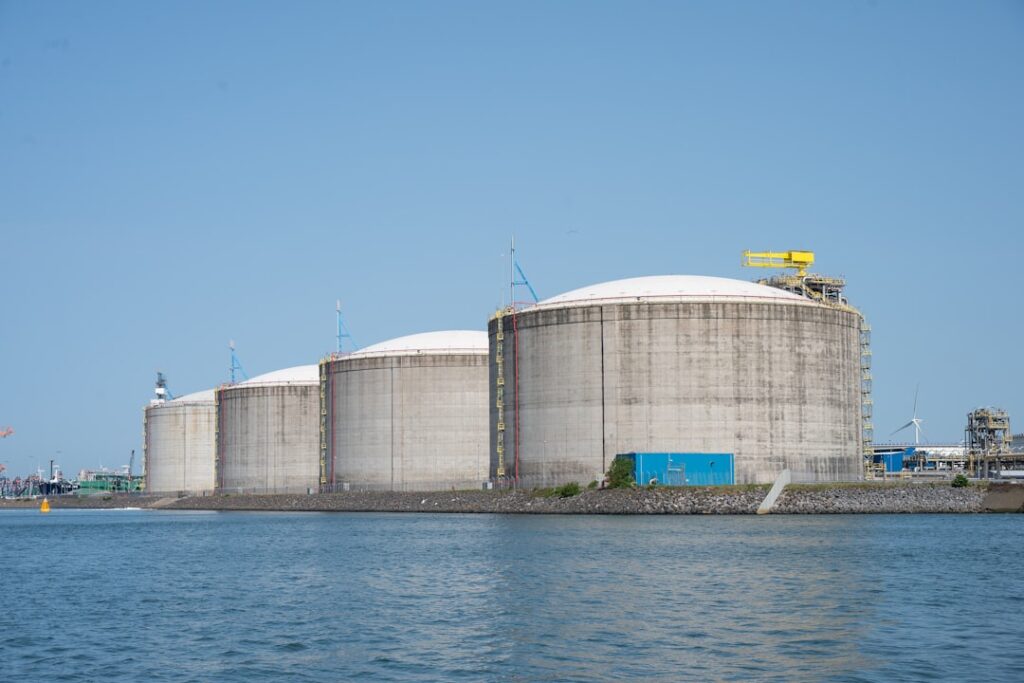
What Is Secondary Containment?
Secondary containment is a system or structure designed to catch or contain leaks, spills, or overflows from chemical storage tanks, ensuring that hazardous substances do not escape into the surrounding environment. This can include a variety of solutions such as concrete berms, double-walled tanks, and lined pits that physically separate stored chemicals from the land, groundwater, or stormwater drains. The main goal is to stop any accidental releases before they cause wider harm.
In Loretto, where residents often rely on private wells, septic systems, and close community infrastructure, these precautions provide an essential safeguard for health and the environment.
Why Is Secondary Containment Essential?
The primary reason for secondary containment is to prevent chemicals from contaminating soil, water sources, or air during an accidental release. Even small spills from tanks can have long-term effects in areas like Loretto, where local waterways and groundwater play a big role in daily life.
Failing to use proper containment can result in:
- Harm to local wells and water supplies
- Costly remediation for contaminated soil or groundwater
- Damage to plants, wildlife, and livestock
- Risk of injury or illness to residents exposed to hazardous materials
For these reasons, both state and federal environmental agencies require secondary containment for many chemical storage situations, particularly when regulated substances are stored above certain quantities or when tanks are within designated setback areas from waterbodies or homes.
How Does Secondary Containment Work?
A secondary containment system acts as a backup barrier. If a chemical tank leaks, the spilled liquid is trapped within the containment area, reducing the risk of it spreading further.
Common designs include:
- Double-walled tanks: An inner tank holds the chemical, and an outer shell acts as the barrier.
- Concrete or earthen berms: Raised barriers surround the tank, creating a basin to collect any leaks.
- Lined containment pits: Heavy-duty liners installed inside constructed pits prevent liquids from seeping into the soil.
- Portable trays or pallets: Used for drums or smaller containers, these catch any drips or spills during filling or transfer.
In Loretto, it’s typical to see a mix of these approaches, especially for agricultural, industrial, or municipal chemical storage tanks.
What Local Factors Matter in Loretto, TN?
Local climate and geographic conditions deeply influence secondary containment needs. Loretto experiences seasonal rain and occasional heavy storms, increasing the chance for stormwater to carry spilled chemicals into drainage systems or creeks.
Additional considerations include:
- Proximity to wells: Many area households rely on groundwater, making prevention of leaks crucial.
- Localized flooding: Secondary containment must account for the potential for high water, which could overflow containment barriers if not properly designed.
- Soil type: Sandy or porous ground increases the risk of rapid chemical migration, so liners or sealed bases are often recommended.
Regulations also play a part—certain containment designs might be required to comply with Tennessee Department of Environment and Conservation (TDEC) guidelines.
What Substances Require Secondary Containment?
Secondary containment is important for any chemical storage tank containing hazardous or environmentally damaging substances. These might include:
- Fuel oils and gasoline
- Fertilizers and pesticides used in farming
- Industrial acids or solvents
- Water treatment chemicals, such as chlorine or caustic soda

Not all substances stored in tanks legally require secondary containment, but precaution is especially important when dealing with anything that could harm water or soil. Local residents sometimes assume only “toxic” chemicals need containment—however, even products like diesel or certain cleaning agents can cause problems if allowed to escape.
How Can Residents Recognize Safe Practices?
Area property owners or facility managers can check for basic signs of good containment measures:
- Tanks set within a clearly defined and intact berm, pit, or containment area
- Regular inspections for cracks, leaks, or pooling liquids inside containment zones
- Drains, pumps, or sumps in containments properly managed and protected from releasing contents outside the area
- Clear labels and maintenance logs showing that tanks and containments are properly maintained
For residential or small business storage, simple containment like weather-resistant drip trays or small berms can make a significant difference in minor spill incidents.
What Are Common Misconceptions?
It’s a common misconception locally that a secondary containment system is only necessary for industrial sites or very large tanks. In reality, even modest chemical storage setups can create problems if they leak near wells, gardens, or storm drains.
Some residents also mistakenly believe that indoor storage tanks don’t require containment. However, many spills or tank failures occur indoors, and containment helps prevent basement contamination and hazardous vapor buildup.
What Should Households and Facility Managers Do If a Spill Occurs?
If there is a release in or around a tank, keep safety as the first priority. Most minor spills confined within a proper secondary containment area can be safely addressed using cleanup procedures provided by chemical suppliers or information from environmental agencies.
Larger spills or any sign of a containment system failure may require assistance from emergency services and notification of environmental authorities to ensure that impacts are limited and handled within local regulations.
By using and maintaining secondary containment, households and facility managers in Loretto can help protect water quality, property, and the wider community from the risks of chemical storage tank releases.