

 See My Latest Article on HelloNation
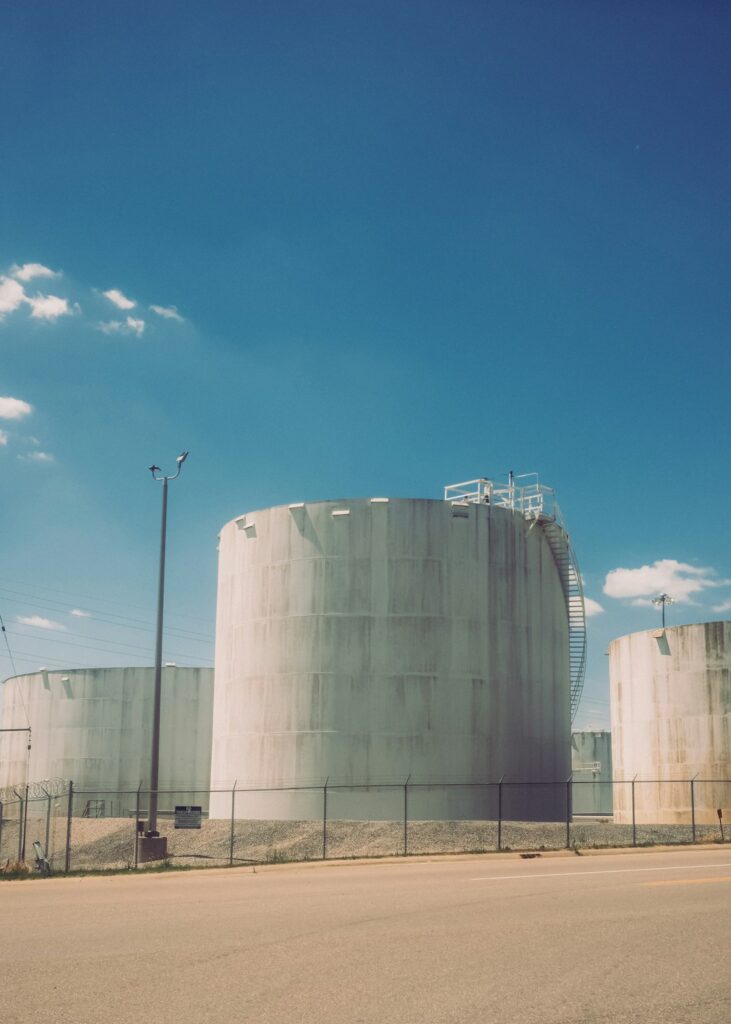
Moving chemicals in a storage tank is not the same as hauling ordinary liquid cargo. Safe transport depends on the chemical’s properties, the tank’s design, secure connections, driver training, weather conditions, and a clear response plan if something goes wrong.
For residents and operators in Loretto, TN, these precautions matter during farm, industrial, maintenance, and commercial activities. A tank that appears sound can still become dangerous if it is overfilled, improperly secured, exposed to heat, or connected to incompatible equipment.
What should be checked before a chemical tank is moved?
Before transport begins, identify the chemical and review its current Safety Data Sheet, or SDS. The SDS explains hazards such as flammability, toxicity, corrosiveness, reactivity, storage conditions, incompatible materials, spill response, and recommended protective equipment.
The tank should be inspected before loading and again before departure. Look for:
- Cracks, dents, bulges, corrosion, damaged welds, or weakened supports
- Leaking valves, fittings, hoses, gaskets, or caps
- Missing or unreadable labels and hazard markings
- Loose manways, inspection covers, vents, or protective devices
- Tires, brakes, lights, tie-downs, and trailer components that are not roadworthy
- Residue from a previous chemical that could react with the new material
A storage tank is not automatically suitable for transportation. The tank must be approved for the chemical, pressure, temperature, capacity, and method of movement involved. A stationary tank may lack the structural reinforcement, rollover protection, emergency shutoff equipment, or transport certification required for a road vehicle.
OSHA identifies storage-tank hazards that include fire, explosion, toxic exposure, asphyxiation, falls, chemical burns, and dangerous atmospheres. Those hazards can remain even after a tank has been emptied because vapors and residues may still be present. ([osha.gov](https://www.osha.gov/storage-tanks/hazard-solutions?utm_source=openai))
How full should a chemical tank be?
A tank should never be filled simply to its visible capacity. Safe fill limits depend on the chemical’s expansion characteristics, tank design, temperature, and applicable transportation rules.
Liquids expand as they warm. A tank filled too high may develop excessive pressure during a hot trip or while sitting in direct sunlight. Some chemicals also produce vapors that require controlled venting, while others must be transported in closed systems.
The loading procedure should confirm:
- The correct chemical is being placed in the correct tank
- The tank is compatible with the material
- The fill level is within the permitted limit
- The chemical is not being mixed with residues or incompatible substances
- The loading hose is bonded, grounded, or otherwise controlled when required
- Valves are closed in the correct sequence
- Caps and closures are tightened without damaging threads or seals
Overfilling is not the only concern. Excessively low liquid levels can allow greater movement inside a partially filled tank. This “surge” can affect braking, cornering, and stability, particularly on rural roads, uneven pavement, or sudden curves.
How can a tank be secured during transportation?
A tank must be secured so it cannot shift, roll, tip, or strike nearby equipment. Tie-downs should be attached to approved structural points, not fragile piping, valves, ladders, or handrails.
The load should be positioned to keep the vehicle balanced from side to side and within the vehicle’s weight limits. Heavy tanks and liquid cargo can change handling characteristics even when the total weight appears acceptable.
Before moving, verify that:
- The tank is centered and supported on a suitable frame or trailer
- Tie-downs are tight and protected from sharp edges
- Valves, hoses, and fittings are shielded from impact
- Emergency shutoff controls remain accessible
- The tank cannot contact the road surface during braking or turning
- Doors, cabinets, and protective covers are latched
- No tools or loose objects can fall against the tank
A short test movement on private property can reveal shifting, unusual noise, leaking, or suspension problems before the vehicle enters public traffic.
What transportation rules may apply in Tennessee?
Federal hazardous-material transportation rules may apply based on the chemical, quantity, packaging, tank type, and whether the shipment requires placarding. Tennessee also has licensing and endorsement requirements for drivers operating certain commercial vehicles.
The Tennessee Department of Safety explains that a hazardous-material endorsement may be required when a commercial vehicle transports materials that must be placarded. A tanker endorsement may also apply to vehicles designed to carry liquid or gaseous materials in tanks of at least 1,000 gallons. Drivers transporting hazardous materials in a qualifying tanker may need the combined hazmat-and-tanker authorization. ([tn.gov](https://www.tn.gov/safety/driver-services/commercial-driver-license/hazmat.html?utm_source=openai))
Requirements can also include:

- Hazard communication and shipping papers
- Correct hazard labels, markings, and placards
- Driver training and security awareness
- Vehicle inspections and maintenance records
- Emergency response information
- Route, parking, and loading procedures
- Additional rules for hazardous waste or regulated substances
The exact requirements cannot be determined from the tank’s size alone. Chemical classification, concentration, quantity, and container type all matter.
How do weather and local roads affect tank transport?
Seasonal heat can increase pressure and vapor formation, while freezing conditions can damage water-based solutions, valves, hoses, and fittings. Heavy rain can reduce visibility and traction, and severe weather can increase the chance of roadway flooding or debris.
In and around Loretto, transport planning should account for changing temperatures, narrow or uneven roads, driveways with limited turning space, and periods of heavy rain. A route that works for an empty tank may be unsuitable for a full one.
Drivers should avoid unnecessary stops in isolated areas, direct sun, steep shoulders, or locations where a leak could reach a ditch, creek, storm drain, pasture, or residential property. The vehicle should be parked only where the tank can be monitored and protected from collision.
What should happen if a tank leaks or is damaged?
If a chemical tank leaks, the first priority is distance and personal safety. Do not touch the liquid, walk through vapor, attempt an unfamiliar repair, or use a vehicle that could create an ignition source.
The driver should, when safe to do so:
- Stop away from people, buildings, waterways, and ignition sources
- Turn off the engine if doing so does not increase danger
- Keep bystanders away
- Call 911 and provide the chemical name, container type, location, and visible symptoms
- Use the SDS and emergency shipping information
- Avoid entering low areas where vapors may collect
- Follow instructions from emergency officials
The U.S. Department of Transportation’s Emergency Response Guidebook is designed for the initial phase of hazardous-material transportation incidents. It helps responders identify immediate isolation and protective-action considerations, but it does not replace site-specific training or emergency direction. ([phmsa.dot.gov](https://www.phmsa.dot.gov/training/hazmat/erg/emergency-response-guidebook-erg?utm_source=openai))
Tennessee emergency guidance advises residents to stay away from spills and vapors, follow instructions from local officials, shelter indoors or evacuate when directed, and return only after authorities say the area is safe. ([tn.gov](https://www.tn.gov/tema/new-tema/prepare/know-your-risks/hazardous-materials-release.html?utm_source=openai))
What is a common mistake to avoid?
The most common mistake is treating a chemical tank as ordinary equipment after it has been drained. Residual liquid, vapor, and pressure can remain inside. Cleaning, opening, repairing, or entering a tank may create serious exposure, fire, explosion, or confined-space hazards.
Only people with appropriate training, equipment, and authority should inspect, clean, repair, load, or transport hazardous chemical tanks. If the material, tank condition, paperwork, or legal requirements are uncertain, movement should stop until the hazard can be evaluated safely.