

 See My Latest Article on HelloNation
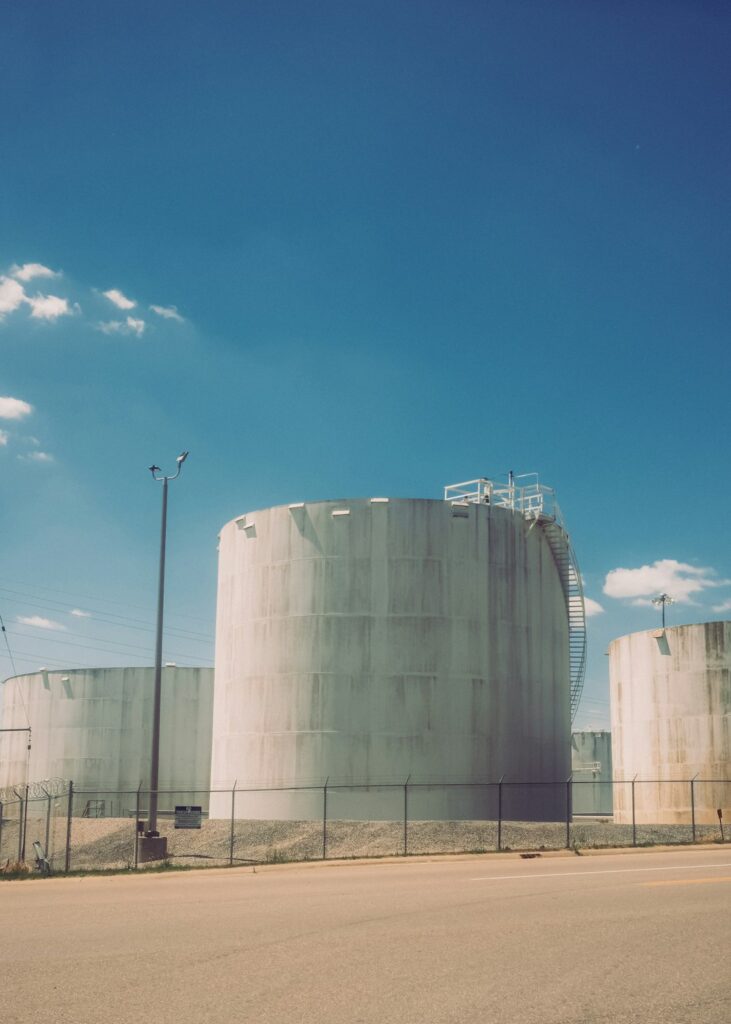
A chemical storage tank leak can create fire, health, and environmental hazards within minutes. The safest response is to move away from the release, keep others out of the area, and report the emergency rather than trying to inspect, stop, or clean up the leak.
What should residents do first?
If a chemical tank is leaking near a home, workplace, roadway, farm, or public area, create distance immediately. Move upwind or crosswind if possible, because vapors may travel with the wind and collect in low areas.
Do not approach the tank to identify the chemical. Do not touch liquid, damaged valves, wet soil, stained pavement, dead vegetation, or containers that may have been affected.
From a safe location:
- Call 911 and report a chemical tank leak or hazardous-material release.
- Give the dispatcher the location, visible conditions, odors, injuries, fire, smoke, and whether the material is moving toward homes, roads, drainage areas, or waterways.
- Keep children, pets, and other people away from the area.
- Avoid using a vehicle near the release unless emergency officials direct an evacuation.
A strong odor is not a reliable measure of danger. Some hazardous chemicals have little or no odor, while other substances can be smelled at levels below those that cause harm.
Should people evacuate or shelter in place?
Follow instructions from emergency officials. Evacuate if officials order evacuation or if the release is inside a building, near an occupied structure, producing fire or heavy vapor, or moving toward the area.
If officials advise sheltering in place, go indoors immediately. Close exterior doors and windows, turn off heating, ventilation, and air-conditioning systems that draw outside air, and move to an interior room away from the suspected release. Keep pets indoors and monitor official emergency messages.
Do not leave shelter simply because the odor seems to disappear. Wind direction can change, and some chemicals may settle in low areas, crawl spaces, drainage channels, or basements.
Homes in Loretto may be separated by open yards, wooded areas, fields, or drainage paths. Those features do not necessarily provide protection. Vapors can move across open ground, and runoff can carry liquid chemicals beyond the original tank location.
What information should be reported?
Emergency dispatchers need practical details, not a perfect chemical identification. Report what can be observed safely:
- The tank’s exact location or nearest recognizable landmark
- The color, shape, or condition of the tank
- Whether liquid, vapor, smoke, or foam is visible
- Any label, placard, product name, or identification number visible from a safe distance
- The direction of the wind, if known
- Nearby buildings, roads, ditches, streams, storm drains, wells, or livestock
- Symptoms such as coughing, burning eyes, dizziness, breathing difficulty, nausea, or skin irritation
- Whether anyone may be trapped, exposed, or missing
Never delay the emergency call to search for paperwork or determine the exact product. A photograph should only be taken from a location that is already safe and only if doing so does not require approaching the tank.
For a significant oil or hazardous-substance release, the National Response Center can also be notified at 1-800-424-8802. The immediate priority remains 911 when there is danger to people, fire, injury, or an active release.
What if someone has been exposed?
Move the person away from the release only if doing so does not expose the rescuer. Avoid entering a vapor cloud, enclosed area, ditch, basement, or building where the chemical may have collected.
For inhalation exposure, get to fresh air. For skin or eye contact, contaminated clothing may need to be removed and the affected area flushed with clean water, but the correct decontamination method depends on the chemical. Do not apply household cleaners, creams, solvents, or neutralizing substances unless emergency instructions specifically recommend them.
Anyone with trouble breathing, chest pain, confusion, severe burns, seizures, or loss of consciousness needs immediate emergency medical attention. Do not transport a heavily contaminated person in a personal vehicle unless emergency personnel direct that action, because the vehicle and occupants could also become contaminated.
Can a resident shut off the tank or stop the leak?
Usually, no. Closing a valve, moving a container, starting a pump, or entering a containment area can cause a larger release or expose people to toxic vapors, corrosive liquids, fire, or pressure hazards.
Only trained and properly equipped responders should approach an active chemical leak. Even a small drip can indicate a failed fitting, weakened tank wall, damaged piping, or pressure problem. A tank that appears stable may rupture later, especially if it is bulging, leaning, hissing, leaking from the bottom, or exposed to heat.
Do not use water hoses on an unknown chemical release. Water can spread some substances, create heat, produce dangerous reactions, or carry contamination into storm drains and waterways.
What should happen after the immediate danger?

Do not re-enter the area until emergency officials announce that it is safe. A release may continue underground, inside a drainage system, beneath a building, or within soil and gravel after the visible liquid is gone.
Residents should avoid:
- Walking through puddles or stained areas
- Driving across contaminated roads or yards
- Using private wells if officials suspect groundwater contamination
- Eating garden produce, eggs, meat, or fish that may have contacted the substance
- Washing contaminated clothing with ordinary household laundry
- Cleaning chemical residue from porches, vehicles, tools, or floors without instructions
If a private well, pond, creek, garden, pasture, or septic area may have been affected, tell emergency officials. Chemical contamination is not always visible, and testing may be needed before water or food is considered safe.
Keep notes about the time the leak was seen, symptoms, odors, visible runoff, and official instructions. Do not disturb damaged equipment or contaminated materials if an investigation is underway.
How can households prepare before a leak occurs?
Preparation reduces confusion during a fast-moving incident. Residents who live near industrial, agricultural, transportation, or utility areas can take a few practical steps:
- Keep emergency contacts and medical information accessible.
- Learn how to shut off household heating and air-conditioning systems.
- Identify an interior room with few windows for sheltering in place.
- Keep pets indoors during nearby hazardous-material incidents.
- Store basic protective supplies such as bottled water, medications, flashlights, and battery-powered communication devices.
- Know whether the household depends on a private well.
- Treat posted tank labels, warning signs, and restricted areas seriously.
- Monitor official local emergency instructions rather than relying on rumors or social media posts.
Seasonal storms, flooding, freezing temperatures, and heavy rainfall can damage tank supports, piping, secondary containment, and access roads. After severe weather, residents should report unusual chemical odors, discolored runoff, floating containers, or damaged storage equipment from a safe distance.
The central rule is simple: do not become part of the release. Move away, report what is happening, protect indoor air if instructed, and let trained emergency personnel assess and control the chemical hazard.