

 See My Latest Article on HelloNation
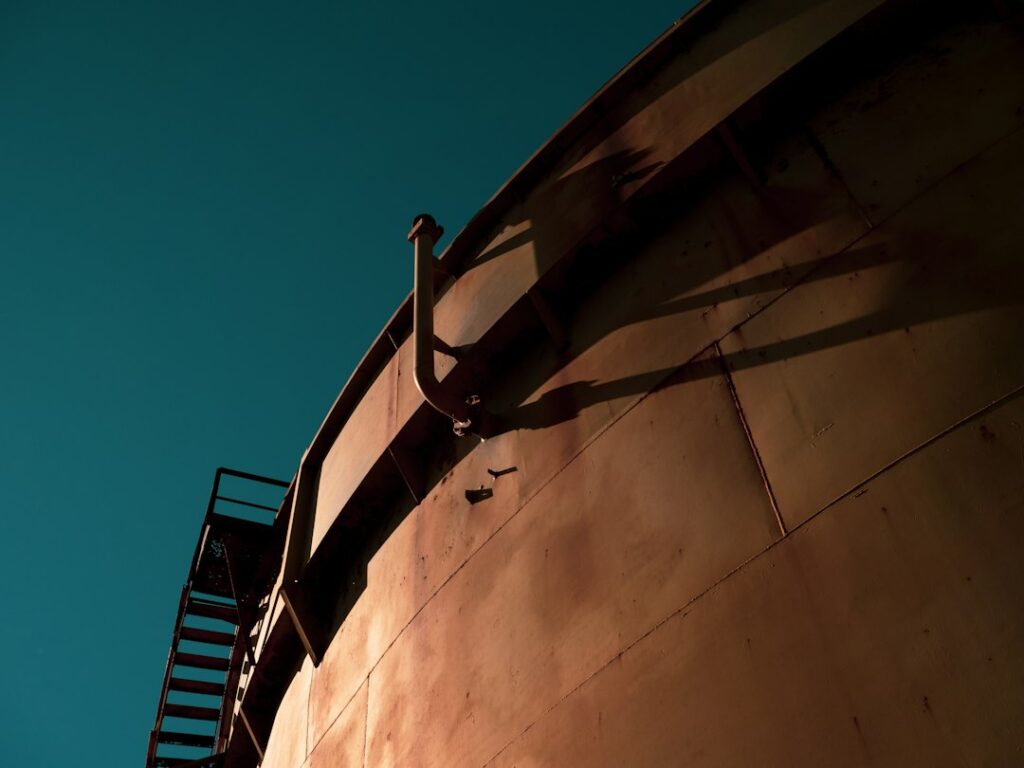
Chemical storage tanks can remain useful for many years, but they do not last indefinitely. Age, chemical exposure, weather, physical damage, and repeated filling or emptying can gradually reduce a tank’s ability to contain hazardous material safely.
For residents and property owners in Loretto, TN, replacement decisions should be based on the tank’s condition rather than age alone. A tank that appears sound from the outside may still have weakened walls, damaged fittings, or chemical degradation that is not immediately visible.
What are the clearest signs that a chemical storage tank needs replacement?
The strongest warning signs include active leaks, bulging walls, deep corrosion, persistent chemical odors, cracked fittings, and evidence that the tank material is no longer compatible with the stored substance. Any of these conditions deserves prompt attention.
Common indicators include:
- Liquid or residue beneath the tank
- Dampness around valves, seams, or connections
- Cracks, splits, blisters, or deep pitting
- Bulging, sagging, or misshapen tank walls
- Brittle plastic that flakes, chalks, or breaks easily
- Rust that has penetrated beyond surface discoloration
- Discolored soil, concrete, gravel, or vegetation nearby
- A chemical odor that was not present previously
- Repeated failures of gaskets, seals, valves, or hoses
- A damaged secondary containment area
A small leak should not be dismissed because the tank still appears mostly full or because the liquid is not visibly spreading. Some chemicals evaporate quickly, soak into porous surfaces, or cause damage that becomes more serious over time.
Does the age of the tank determine whether it should be replaced?
Age is a useful screening factor, but it is not the only deciding factor. A well-maintained tank stored under suitable conditions may outlast a newer tank that has been exposed to incompatible chemicals, intense sunlight, standing water, or repeated mechanical stress.
The service life depends on factors such as:
- Tank material and construction
- Type and concentration of chemical stored
- Temperature changes
- Ultraviolet exposure
- Filling and emptying frequency
- Installation quality
- Maintenance history
- Whether the tank has been moved or struck
- The condition of piping and connected equipment
A tank with no obvious leak may still need replacement if its manufacturer’s service-life guidance has passed or if inspection records are missing. Older tanks are also more likely to have outdated fittings, weakened seals, or materials that no longer match current storage practices.
Why do cracks, bulges, and surface changes matter?
Visible changes in the tank’s shape or surface can indicate internal stress or chemical deterioration. A bulge may mean that the tank wall has softened, become pressurized, or lost structural strength. A depression can point to impact damage or material fatigue.
Plastic tanks may show whitening, chalking, crazing, or fine surface cracks. These changes can occur after long exposure to sunlight or chemicals. Fine cracks around openings and threaded connections are especially concerning because those areas experience additional stress.
Metal tanks may develop rust, pitting, flaking coatings, or thinning walls. Surface rust is not always an emergency, but deep pits and scaling can reduce the amount of metal protecting the contents. Corrosion around the bottom, legs, seams, and drain fittings deserves close attention because moisture often collects in those locations.
Do not press, scrape, drill, weld, or sand a damaged tank to investigate it. Disturbing the surface can release hazardous material or weaken the container further.
Can chemical odor mean the tank is failing?
Yes. A new, persistent, or stronger chemical odor can indicate a leak, a loose fitting, a damaged vent, or a problem with the closure system. Odor alone does not reveal the size of the leak, and some hazardous chemicals may have little or no smell.

If an unusual odor is detected, keep people and pets away from the area. Avoid creating sparks, operating electrical equipment near the tank, or attempting to tighten fittings without knowing the chemical and the correct protective measures. If anyone experiences dizziness, burning eyes, breathing difficulty, nausea, or skin irritation, move to fresh air and seek emergency assistance.
A chemical odor inside a storage area is especially concerning when the space has limited ventilation. Closed sheds, garages, utility rooms, and outbuildings can allow vapors to accumulate.
What does a leak around a valve or fitting indicate?
A leak at a valve, cap, hose, seam, or threaded connection often means the tank system should be evaluated as a whole. Replacing one gasket may stop a minor seep temporarily, but repeated failures can indicate movement, chemical incompatibility, excessive pressure, or a deteriorating tank opening.
Look for:
- Crystallized residue around a cap or valve
- Wetness that returns after cleaning
- Staining below a fitting
- Warped threads or damaged caps
- Hoses that are soft, swollen, cracked, or stiff
- Valves that no longer close fully
The tank itself may not be the only failed component. However, repeated fitting problems should not be treated as routine maintenance if the tank wall, neck, or connection point is also showing damage.
How can the local climate affect tank condition?
Seasonal heat, cold nights, storms, and changing humidity can place repeated stress on storage equipment. In Loretto, outdoor tanks may experience strong sunlight, rain, freezing conditions, and temperature swings across the year.
Expansion and contraction can stress seams, fittings, and connected piping. Water that collects beneath a tank or inside a damaged containment area can accelerate corrosion. Sunlight can make some plastics brittle, while storm debris or falling branches can cause impact damage.
Outdoor tanks should be checked after severe weather, flooding, extended heat, or any event that could shift the tank, its supports, or its piping. A tank that has moved even slightly may place strain on connections that were previously secure.
What is secondary containment, and why does its condition matter?
Secondary containment is a structure designed to hold liquid if the primary tank leaks. It may include a containment basin, berm, tray, or protected floor area. A damaged containment system does not necessarily mean the tank must be replaced, but it means the storage setup may no longer provide adequate protection.
Inspect for cracks, holes, erosion, blocked drains, standing water, chemical staining, and vegetation growth that could conceal damage. Containment should not be used to justify keeping a visibly failing tank in service. If the primary tank leaks, the containment area may provide valuable time, but it is not a substitute for replacing an unsafe container.
What should be done if replacement appears necessary?
Stop using a visibly damaged tank unless doing so would create a greater immediate hazard. Do not transfer chemicals into another container casually, mix leftover material, or pour contents onto soil, pavement, drains, or septic systems.
Read the chemical label and safety information before handling the tank or its contents. Keep ignition sources away when flammable materials may be present. Restrict access, document the damage from a safe distance, and follow applicable hazardous-material disposal and spill-reporting requirements.
Replacement should address the entire storage system, including the tank material, capacity, venting, valves, piping, supports, labeling, and secondary containment. The replacement container must be compatible with the exact chemical, concentration, and storage conditions. A tank that is suitable for water or one chemical may fail quickly when used with another.
The practical rule is simple: a tank should be replaced when its integrity, compatibility, or containment can no longer be trusted. Visible leaks, structural changes, recurring fitting failures, and chemical damage are not merely cosmetic concerns; they are warnings that the storage system may no longer protect people, property, soil, or nearby waterways.