

 See My Latest Article on HelloNation
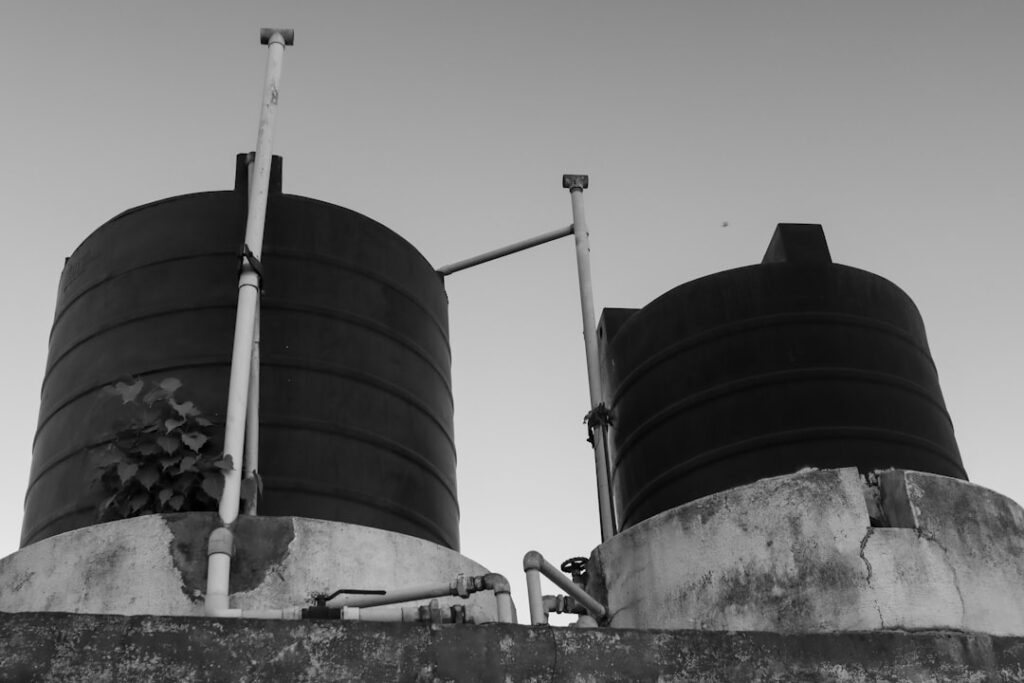
What Factors Should Loretto, TN Residents Consider When Choosing a Chemical Storage Tank?
Selecting a chemical storage tank involves more than just picking a size or shape. Local residents need to consider the compatibility of tank materials with stored substances, safety requirements, local climate, and placement. Loretto’s humid summers, mild winters, and the area’s mix of residential and agricultural land influence the best options for reliable, long-term storage.
Consider the following core factors:
- Chemical Compatibility: Not all tank materials are safe for every chemical. For example, acids often require tanks made from high-density polyethylene (HDPE) or fiberglass.
- Tank Size: Determine by your storage needs and available space. In rural or semi-rural settings like Loretto, residents may have more flexibility for outdoor placement.
- Regulatory Compliance: Check if your situation is subject to state, county, or federal storage regulations, especially for hazardous chemicals.
- Temperature Exposure: Loretto experiences warm summers and occasional freezing spells. Some chemicals require insulated or heated tanks to prevent damage or contamination.
How Do You Match Tank Material to the Chemical Stored?
The right tank material prevents leaks, corrosion, and chemical reactions. Begin by identifying the chemical’s reactivity and storage recommendations, always comparing these to local material options.
Common tank materials:
- Polyethylene (HDPE/LDPE): Holds many fertilizers, acids, and water-based chemicals safely and resists most corrosion. Not suitable for all solvents.
- Fiberglass-Reinforced Plastic (FRP): Versatile and highly resistant to corrosive substances; may be ideal for agricultural users or hobbyists handling pesticides or fertilizers.
- Steel (Stainless or Carbon): Preferred for high-temperature or pressure storage, but can corrode if used for acids or in high-humidity environments unless coated or lined.
Failing to choose compatible materials is a common cause of tank failure, leaks, and environmental risk. Even for small-scale residential use, always check chemical compatibility charts.
Does Tank Placement Matter for Safety and Function?
Location strongly impacts both safety and convenience. Outdoor tanks in Loretto must be shielded from runoff, potential flooding, direct sunlight, and unauthorized access.
Best practices include:
- Placing tanks on stable, level ground away from wells, springs, and natural drainage areas
- Allowing easy access for filling, inspection, and drainage
- Using secondary containment or berms to control accidental spills—especially when storing pesticides, fuel, or other regulated substances
Indoor tanks, while less common for chemicals, require robust ventilation and should remain accessible for emergency intervention.
What Maintenance and Longevity Factors Should You Expect?
Properly chosen and maintained tanks last for years—in some cases, decades—without leaks or significant degradation. In Loretto, humid conditions and the occasional hard freeze can accelerate certain types of wear if tanks aren’t suited to local weather.
Key points for area residents:
- Inspect tanks at least annually for cracks, discoloration, bulging, or signs of chemical attack
- Clean tanks as required by the chemical, especially if switching substances
- Monitor fittings and seals for leaks, which can arise from seasonal expansion or contraction
A neglected tank risks environmental harm and costly cleanups. Sudden failures are often traced back to overlooked damage or skipped inspections.
Are There Local Guidelines or Restrictions?
Regulations may vary depending on what you store and the quantity involved. While household-scale storage of lawn chemicals or fertilizers typically faces fewer rules, larger volumes or hazardous chemicals often fall under state or federal guidelines, including reporting and safety requirements.

Examples of restrictions Loretto households might encounter:
- Distance setbacks from property lines, waterways, or homes
- Minimum standards for spill containment
- Mandatory labeling of tank contents and hazard signage
Residents storing significant quantities for agriculture or small business purposes should review current state guidelines, which can change year to year.
How Do Local Climate and Seasonal Patterns Affect Tank Selection?
Loretto’s climate—warm, moist summers and the occasional cold snap—can cause condensation, swelling, or brittleness in tanks if the chosen material isn’t up to the task. Chemicals sensitive to temperature swings may require tanks with added insulation or controlled environments.
Think especially about:
- Protecting tanks from direct summer sunlight to reduce chemical degradation
- Preventing winter freezing by positioning tanks indoors or adding freeze-protection measures for sensitive contents
- Checking tank venting to avoid excess pressure from seasonal expansion
These local adjustments extend the life of your storage system and minimize safety and maintenance issues.
What Are Some Common Missteps to Avoid?
Common mistakes Loretto residents make when selecting a tank include:
- Using generic water tanks for chemicals (which can lead to material failure)
- Skipping compatibility checks—especially for new or mixed chemicals
- Underestimating the need for secure placement (leading to accidental damage from mowers, farm equipment, or severe weather)
- Failing to consider future needs, like increased volume or different chemicals
Planning ahead and matching tanks to real use scenarios—while allowing for flexibility—helps ensure safe, reliable chemical storage for years.