

 See My Latest Article on HelloNation
What Basic Safety Features Should Chemical Storage Tanks in Loretto, TN Include?
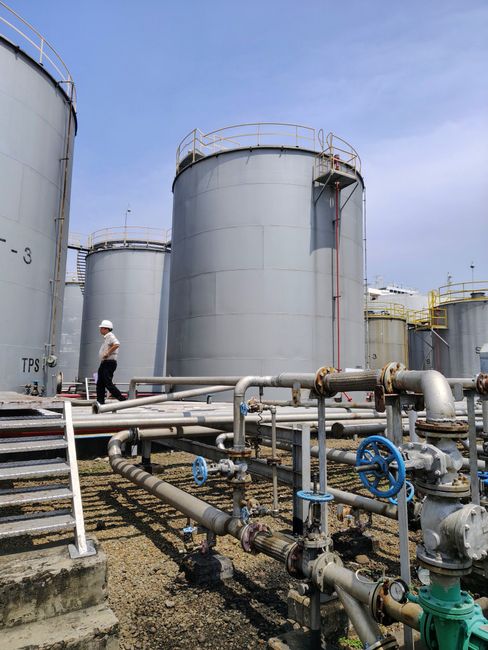
Chemical storage tanks used around Loretto need specific features to safely store industrial and agricultural chemicals, fuels, or water treatment materials. Tanks should include robust construction materials designed to withstand chemical corrosion, secure lids to prevent fumes and leaks, and secondary containment such as dikes or berms to control spills. Double-walled tanks are also commonly used for highly hazardous substances, adding an extra layer of protection.
How Does Weather in Loretto Affect Chemical Storage Tank Safety?
Weather conditions in the region—like high humidity, seasonal storms, and occasional freezing—can challenge tank safety. Residents should expect tanks to have features that address local weather:
- UV-resistant coatings prevent sunlight from degrading tank materials and minimize chemical breakdown.
- Adequate insulation or heating systems on tanks used year-round reduce risk of freezing, especially during colder months.
- Elevated platforms or secured tank bases protect against flooding after heavy rains or during spring storms.
What Are Overlooked Protections in Chemical Tank Storage?
Several important but sometimes missed features make chemical tank storage much safer:
- Overfill protection devices, such as alarms or automatic shutoffs, help prevent accidental spillage during filling.
- Pressure relief valves allow gases or pressure to vent safely, reducing the risk of explosion or tank damage.
- Lockable access ports or secured fencing help prevent tampering, theft, or accidental exposure to hazardous chemicals, especially in less densely populated rural parts of the city.
Why Is Proper Tank Labeling and Signage Essential?
Every tank should be clearly labeled with the chemical stored, hazard warnings, and recommended emergency contact procedures. Proper labeling reduces confusion for local emergency responders and helps area households, maintenance workers, and visitors stay clear of potential harm. In rural neighborhoods or on large properties, additional signage may be needed to alert anyone working nearby, especially children or seasonal workers unfamiliar with the hazards.
How Do Local Regulations Shape Chemical Tank Safety in Loretto?
Regulations require specific safety standards for chemical storage, including tank construction, secondary containment, and periodic inspection. The city follows state guidelines and often requires registration or reporting for larger or hazardous chemical tanks. Residents are encouraged to check for local ordinances regarding setback distances from water wells, property lines, and occupied buildings—important for protecting local groundwater and neighbors.
What Role Do Routine Inspections and Maintenance Play?
Regular inspections catch problems before they escalate and ensure that safety features operate correctly. Residents and facility operators should:
- Check for signs of rust, cracks, or leaks on a monthly schedule.
- Ensure secondary containment areas remain free of debris and can hold the full contents of the tank.
- Test alarms, pressure valves, and monitoring sensors at least once per season.
- Document inspection dates and findings, which is helpful for compliance and in emergencies.
Are Emergency Plans Necessary for Residential Chemical Storage?
Even small backyard tanks for fuels or agriculture chemicals benefit from a simple emergency plan. Area households should keep emergency instructions close to storage locations, including spill cleanup steps, evacuation routes, and local emergency numbers. In more populated neighborhoods, neighbors should be informed of the presence of large or hazardous tanks, in case coordinated evacuation becomes necessary during an incident.
What Are Common Misconceptions About Chemical Storage Tank Safety?
Some local residents assume that newer tanks are always leak-proof or that household-sized tanks are not subject to regulation. In reality, any tank can develop issues from accidental impact, material degradation, or weather events. Regulations apply to many tank sizes, especially if they store hazardous substances. Another misconception is that routine roof or yard chemicals stored in smaller tanks don’t require spill protection—however, even a minor leak can contaminate soil or nearby water wells in rural areas.
How Can Local Residents Minimize Environmental Impact?
Simple steps can reduce the risk of chemical spills affecting nearby streams, wells, or gardens:
- Place tanks on impervious surfaces or inside secondary containment barriers.
- Keep tanks away from steep slopes, drainage ditches, or low-lying areas prone to runoff.
- Collect and safely dispose of any spilled materials as soon as possible, following disposal guidelines for hazardous substances.
- Consider using rain shelters or barriers to keep precipitation from filling secondary containment and overflowing into the environment.